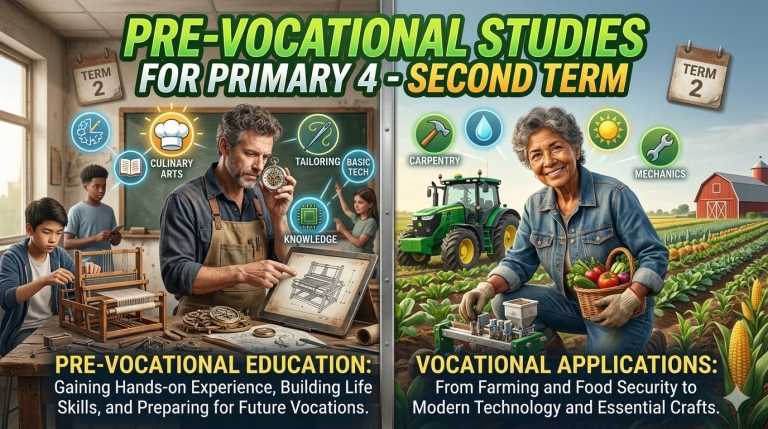
List of 6 Trade Subjects for Non-Technical Schools in Nigeria (Complete Guide)
Trade subjects are becoming increasingly important in Nigeria’s education system, especially for students who may not attend full technical colleges.
For non-technical secondary schools, trade subjects provide practical skills, improve employability, and help students become self-reliant after graduation.
In this guide, we’ll clearly explain the list of 6 trade subjects for non-technical schools in Nigeria, why they matter, and how they benefit students academically and practically.
This article is written in simple language for students, parents, and educators.
What Are Trade Subjects in Nigerian Schools?
Trade subjects are skill-based subjects introduced under Nigeria’s curriculum to equip students with vocational and entrepreneurial skills.
Unlike purely theoretical subjects, trade subjects focus on practical knowledge students can use in real life or to start small businesses.
For non-technical schools, these subjects do not require heavy machinery or advanced workshops. They are designed to be taught with basic tools, making them suitable for regular secondary schools.
Read more: Nigerian History Past Questions for Common Entrance
Why Trade Subjects Matter in Non-Technical Schools
Trade subjects are important because they:
-
Promote self-reliance among students
-
Reduce overdependence on white-collar jobs
-
Encourage entrepreneurship at an early age
-
Help students discover practical talents
-
Align with Nigeria’s goal of skills-based education
Even students who plan to attend university benefit because they gain life skills alongside academics.
List of 6 Trade Subjects for Non-Technical Schools in Nigeria
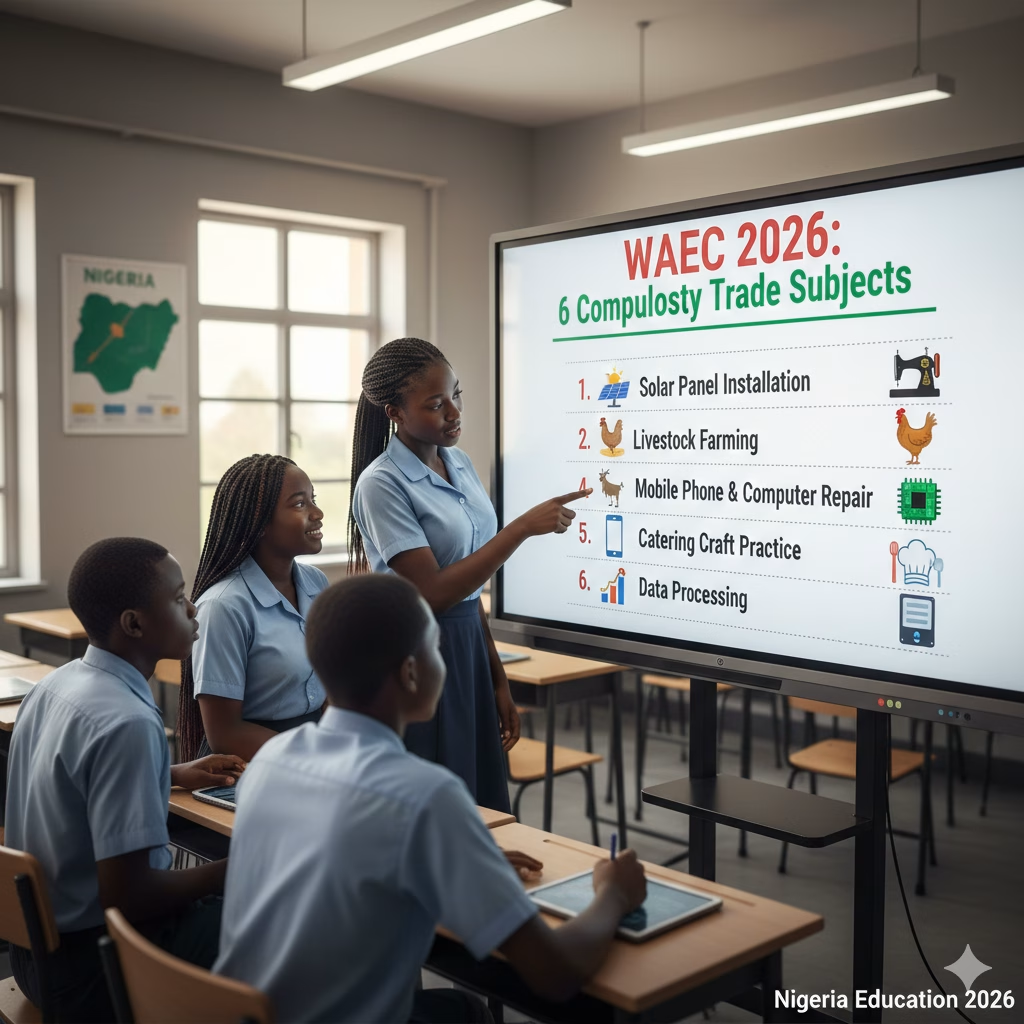
Below are the six approved and commonly taught trade subjects suitable for non-technical secondary schools in Nigeria.
1. Catering Craft Practice
Catering Craft Practice focuses on food preparation, hygiene, nutrition, and food service.
What Students Learn
-
Basic cooking methods
-
Food safety and hygiene
-
Meal planning and presentation
-
Kitchen equipment handling
Why It’s Suitable for Non-Technical Schools
-
Requires basic kitchen tools
-
Highly practical and marketable
-
Easy to integrate into school activities
Career Opportunities
-
Catering services
-
Baking and snacks business
-
Hotel and hospitality industry
2. Garment Making (Clothing & Textiles)
Garment Making teaches students how to design, cut, and sew clothes.
Check out: Cultural and Creative Arts Project Ideas for Primary School Pupils (Easy & Fun)
What Students Learn
-
Use of sewing machines
-
Fabric selection
-
Pattern drafting
-
Simple fashion design
Why It’s Ideal
-
Minimal equipment required
-
Suitable for both boys and girls
-
Encourages creativity
Career Opportunities
-
Tailoring and fashion design
-
Clothing retail business
-
Costume design
3. Data Processing
Data Processing introduces students to basic computer skills.
What Students Learn
-
Microsoft Word, Excel, and PowerPoint
-
Data entry skills
-
Basic computer operations
-
Keyboarding
Why It’s Important
-
Digital skills are essential today
-
No advanced technical lab required
-
Prepares students for modern workplaces
Career Opportunities
-
Office assistant
-
Data entry clerk
-
ICT-related fields
4. Entrepreneurship Studies
Entrepreneurship Studies equips students with business and financial skills.
See also: How to Use AI to Solve WAEC Past Questions: The 2026 Student Guide
What Students Learn
-
Business ideas and planning
-
Record keeping
-
Marketing basics
-
Customer service
Why Schools Choose It
-
Encourages innovation
-
Develops leadership skills
-
Useful for all career paths
Career Opportunities
-
Small business owner
-
Startup founder
-
Sales and marketing roles
5. Tourism
Tourism exposes students to travel, culture, and hospitality services.
What Students Learn
-
Tourist attractions in Nigeria
-
Cultural heritage
-
Hospitality basics
-
Travel management
Why It Works in Non-Technical Schools
-
Mostly theoretical with practical exposure
-
No heavy equipment needed
-
Promotes national culture
Career Opportunities
-
Tour guide
-
Travel consultant
-
Hospitality industry
6. Store Management
Store Management focuses on retail and inventory skills.
What Students Learn
-
Stock keeping
-
Pricing and sales
-
Customer relations
-
Simple accounting
Why It’s Practical
-
Easy to simulate in classrooms
-
Directly applicable to real life
-
Builds organizational skills
Career Opportunities
-
Shop owner
-
Sales manager
-
Warehouse assistant
How Trade Subjects Are Assessed in Nigeria
Trade subjects are assessed through:
Check out: Nigerian History Past Questions for Common Entrance
-
Continuous assessment
-
Practical projects
-
Written examinations (WAEC/NECO where applicable)
Students are graded based on both theory and practical performance, ensuring real understanding of the skill.
WAEC & NECO Recognition of Trade Subjects
Most trade subjects listed above are:
-
Recognized by WAEC and NECO
-
Counted toward SSCE subject requirements
-
Useful for further education and vocational training
Schools should always confirm current syllabi from examination bodies.
Benefits of Trade Subjects for Students
Trade subjects help students:
-
Gain hands-on experience
-
Build confidence
-
Earn income while studying
-
Develop problem-solving skills
-
Prepare for life after school
They also reduce the pressure of relying only on academic success.
Challenges of Teaching Trade Subjects in Non-Technical Schools
Some common challenges include:
-
Limited funding
-
Lack of trained instructors
-
Insufficient teaching materials
However, these challenges can be reduced through:
-
Partnerships with local artisans
-
Government support
-
Practical demonstrations
Conclusion
The list of 6 trade subjects for non-technical schools in Nigeria shows that practical education is not limited to technical colleges alone.
With subjects like Catering Craft Practice, Garment Making, Data Processing, Entrepreneurship Studies, Tourism, and Store Management, students can gain valuable life and career skills.
Trade subjects empower students to become independent, skilled, and confident, whether they choose higher education or entrepreneurship. For parents and schools, encouraging trade subjects is an investment in a more sustainable future.
Frequently Asked Questions (FAQs)
1. Are trade subjects compulsory in Nigerian secondary schools?
No, trade subjects are not compulsory, but schools are encouraged to offer at least one.
2. Can trade subjects be combined with science or arts subjects?
Yes, students can combine trade subjects with science, arts, or commercial subjects.
3. Do trade subjects count in WAEC and NECO?
Yes, many trade subjects are recognized and examined by WAEC and NECO.
4. Are trade subjects only for students who are not academically strong?
No. Trade subjects are for all students, regardless of academic ability.
5. Can students start businesses after learning trade subjects?
Yes, many trade subjects provide skills that can be used immediately for small businesses.
6. Which trade subject is best for non-technical schools?
It depends on the school’s resources, but Catering Craft Practice and Entrepreneurship Studies are among the most popular.