Computer Hardware and GSM Repairs is a crucial vocational trade subject offered in Nigerian secondary schools as part of technical education and ICT vocational training. This subject equips students with practical skills in repairing, maintaining, and troubleshooting computers and mobile phones (GSM devices).
In this guide, we provide a complete practical guide, including core topics, hands-on activities, tools, benefits, and career opportunities.
What is Computer Hardware and GSM Repairs?
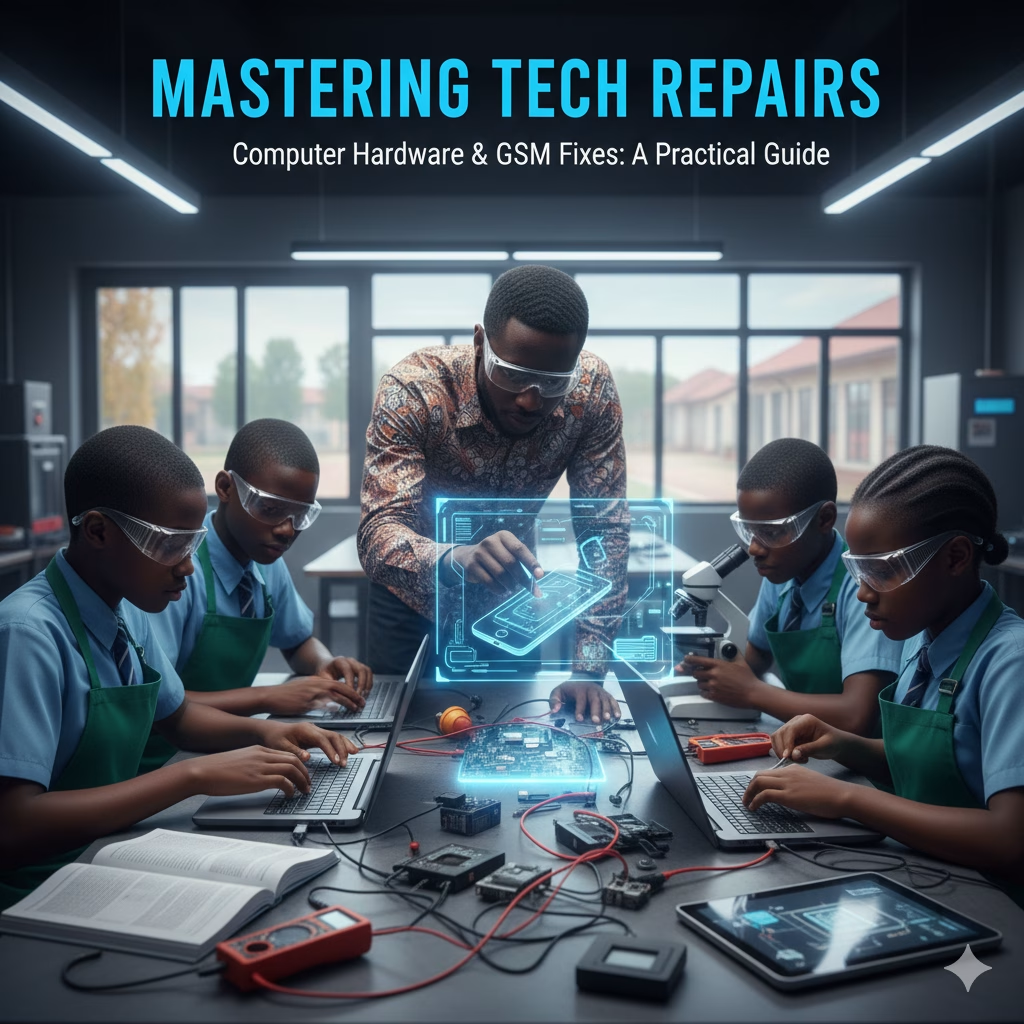
Computer Hardware and GSM Repairs involves learning how to:
-
Identify, assemble, and maintain computer components
-
Troubleshoot software and hardware problems
-
Repair and maintain GSM devices (mobile phones)
-
Apply safety standards while working with electronic devices
The subject combines technical knowledge with hands-on practice, preparing students for vocational exams and real-life technical skills.
Importance of Learning Computer Hardware and GSM Repairs
-
Practical Skills: Students acquire knowledge in handling computers, mobile devices, and other electronics.
-
Entrepreneurship: Skills can be used to start small repair businesses.
-
Career Preparation: Prepares students for IT support, electronics repair, and mobile maintenance careers.
-
Problem-Solving: Develops analytical skills by diagnosing and fixing hardware/software issues.
-
Self-Reliance: Provides a trade skill that is marketable and income-generating.
Core Practical Areas in Computer Hardware and GSM Repairs
Students are expected to engage in hands-on learning and classroom theory. The key practical areas include:
Check out: Horticulture and Crop Production Trade Notes: A Complete Guide for Students
1. Computer Hardware Components
-
Activities: Identify motherboard, CPU, RAM, HDD/SSD, power supply, and peripherals.
-
Skills Learned: Component identification, compatibility checking, assembling PCs.
-
Objective: Build and maintain functional computer systems.
2. PC Assembly and Disassembly
-
Activities: Assemble desktop or laptop computers, connect peripherals.
-
Skills Learned: Proper installation of components, wiring, cable management.
-
Objective: Ensure fully functional computers with efficient layout.
3. Troubleshooting Computer Issues
-
Activities: Diagnose problems such as failure to boot, software errors, or hardware malfunction.
-
Skills Learned: Problem identification, logical thinking, software and hardware solutions.
-
Objective: Resolve common computer failures efficiently.
4. GSM / Mobile Phone Repairs
-
Activities: Open mobile devices safely, identify broken components, and replace screens, batteries, or SIM card trays.
-
Skills Learned: Mobile hardware repair, software flashing, and basic troubleshooting.
-
Objective: Restore mobile devices to working condition.
5. Software Installation and Maintenance
-
Activities: Install operating systems, antivirus software, and essential drivers.
-
Skills Learned: System setup, software updates, malware removal.
-
Objective: Ensure computers and mobile devices function optimally.
6. Safety and Precautions
-
Activities: Learn to use antistatic mats, gloves, and screwdrivers properly.
-
Skills Learned: Electrical safety, personal protection, device handling.
-
Objective: Avoid accidents, damage to components, or electric shock.
Tools and Equipment for Computer Hardware and GSM Repairs
Students are trained to use standard tools for repair and maintenance, including:
See now: WAEC 2026 Subject Combinations for Nursing: Complete Guide for Aspiring Nurses
-
Screwdrivers, pliers, and tweezers
-
Multimeter for testing circuits
-
Antistatic wristbands and mats
-
Laptop/desktop testing devices
-
Soldering iron for hardware repairs
-
GSM opening kits and spudgers
-
Software tools for flashing or system restoration
Benefits of Studying Computer Hardware and GSM Repairs
-
Hands-On Experience: Students gain direct experience with real devices.
-
Income Opportunities: Skills can be applied in repair shops or freelance services.
-
Career Advancement: Opens pathways to IT support, electronics repair, and telecommunications.
-
Technical Knowledge: Students understand both hardware and software operations.
-
Entrepreneurial Skills: Students can start small tech businesses even while in school.
Career Opportunities After Studying This Trade Subject
-
Computer technician / hardware engineer
-
Mobile phone repair technician
-
IT support specialist
-
Electronics repair shop owner
-
Freelance mobile and computer repair entrepreneur
-
Technical trainer in schools or vocational centers
With increasing dependence on computers and mobile devices in Nigeria, skilled repair technicians are in high demand.
Tips for Excelling in Computer Hardware and GSM Repairs
-
Practice Regularly: Assemble, disassemble, and repair devices frequently.
-
Understand Component Functions: Know the purpose of each hardware part.
-
Follow Safety Rules: Use PPE and avoid static discharge.
-
Stay Updated: Learn about new phone models, software updates, and PC components.
-
Work on Projects: Take school computers or personal devices to apply skills.
-
Document Repairs: Keep a record of problems and solutions to improve troubleshooting efficiency.
Read more: Digital Technologies Syllabus for Senior Secondary School: Complete Guide for Students and Teachers
Conclusion
Computer Hardware and GSM Repairs is a vital vocational trade subject for secondary school students in Nigeria. By learning to assemble, maintain, and repair computers and mobile devices, students gain marketable skills, entrepreneurial opportunities, and technical competence.
Mastery of this trade subject prepares students for WAEC vocational exams, future ICT careers, and income-generating opportunities. With the right practice, safety habits, and knowledge, students can turn this skill into a profitable career in Nigeria’s growing tech industry.