Beauty and Cosmetology Secondary School Curriculum: Complete Guide for Students
Beauty and cosmetology is one of the most popular trade subjects offered in Nigerian secondary schools. This curriculum equips students with practical skills in personal grooming, skincare, haircare, makeup, and entrepreneurship.
Studying beauty and cosmetology not only prepares students for careers in the beauty industry but also encourages creativity, self-confidence, and entrepreneurial skills.
In this article, we provide a comprehensive guide to the beauty and cosmetology secondary school curriculum, including subjects, practical skills, career opportunities, tools, and benefits.
What is Beauty and Cosmetology?
Beauty and cosmetology is the study of enhancing physical appearance through personal care practices such as skincare, hair styling, nail care, and makeup application.
The curriculum combines theoretical knowledge with hands-on practical skills, making it a trade subject suitable for students interested in personal care and the beauty industry.
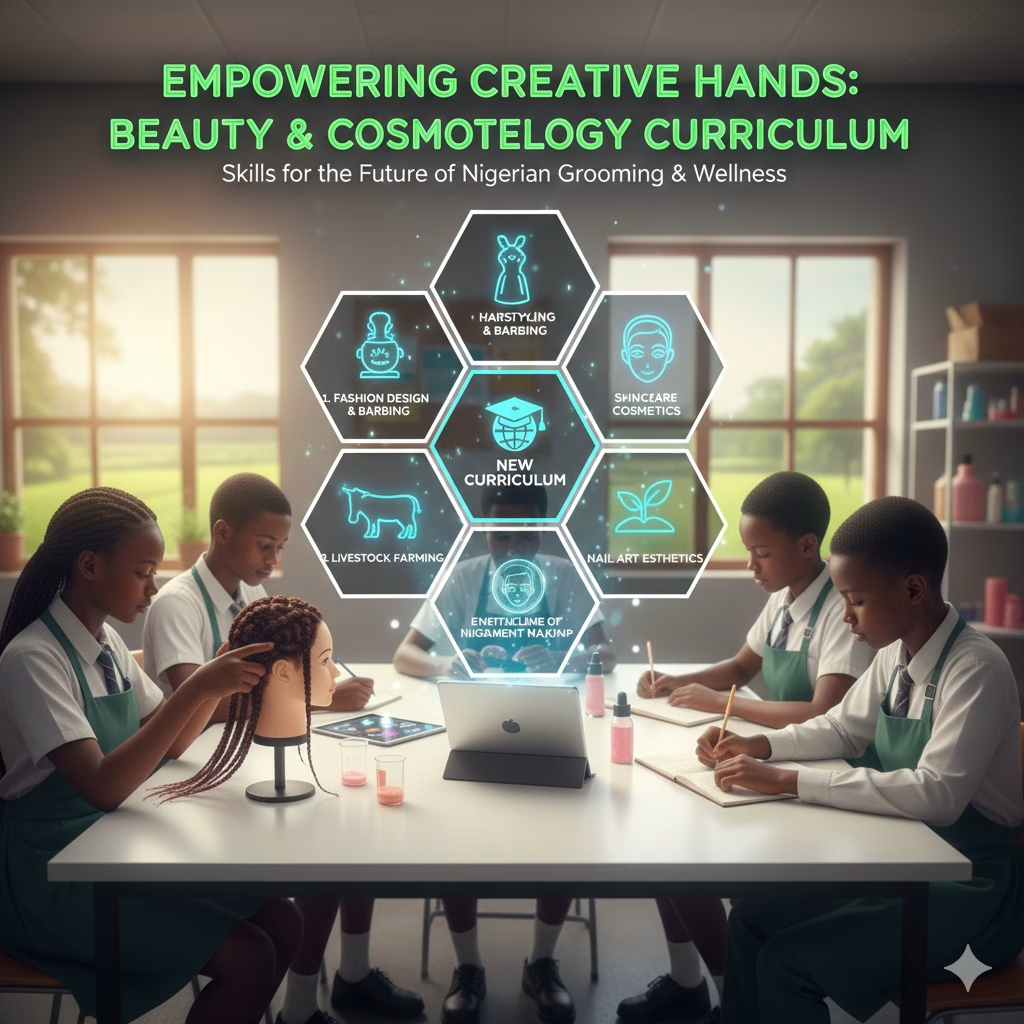
Unlike academic subjects that are largely exam-focused, beauty and cosmetology emphasizes practical training, creativity, and entrepreneurial skills.
Read now: Horticulture and Crop Production Trade Notes: A Complete Guide for Students
Importance of Beauty and Cosmetology in Secondary Schools
-
Skill Development: Students acquire hands-on skills that can be used for employment or business.
-
Entrepreneurship: Graduates can start salons, spas, or mobile beauty services.
-
Self-Confidence: Learning beauty techniques boosts personal grooming and confidence.
-
Career Opportunities: Opens doors in the beauty industry, fashion, media, and health sectors.
-
Creativity and Innovation: Encourages students to experiment with styles, techniques, and products.
Studying beauty and cosmetology provides students with practical skills that are highly valued in Nigeria’s growing beauty industry.
Core Areas in Beauty and Cosmetology Curriculum
The secondary school beauty and cosmetology curriculum is usually divided into theoretical lessons and practical training. Key areas include:
1. Hair Care and Styling
Students learn how to maintain and style hair for various clients. Topics include:
-
Hair types and textures
-
Shampooing, conditioning, and scalp treatments
-
Braiding, weaving, and weaving extensions
-
Hair coloring, perming, and straightening techniques
-
Safety and hygiene practices in hair care
Practical Skills: Students practice washing, styling, braiding, and cutting hair on mannequins and peers.
2. Skincare and Facial Treatments
This area focuses on maintaining healthy skin and providing facial care. Topics include:
-
Skin types and conditions
-
Cleansing, exfoliation, and moisturizing
-
Facial massage techniques
-
Acne treatment and basic dermatology knowledge
-
Use of skincare products and cosmetics safely
Practical Skills: Students perform facials, massages, and skincare treatments under supervision.
Check out: Citizenship and Heritage Studies Notes JSS 1 (Junior Secondary School 1)
3. Makeup Artistry
Makeup is a core component of the curriculum. Students learn:
-
Makeup tools and products
-
Foundation matching and contouring techniques
-
Eye makeup, lipstick application, and special effects makeup
-
Makeup for weddings, events, and media productions
-
Hygiene and safety in makeup application
Practical Skills: Students apply makeup for different occasions and learn to work with clients professionally.
4. Nail Care and Manicure/Pedicure
Students learn techniques to enhance the beauty and hygiene of nails:
-
Nail anatomy and types
-
Manicure and pedicure techniques
-
Nail art and design
-
Gel and acrylic nail application
-
Hygiene and infection prevention
Practical Skills: Students perform manicure, pedicure, and nail art on mannequins and classmates.
5. Cosmetology Business and Entrepreneurship
The curriculum also teaches students how to manage beauty-related businesses:
-
Salon management and operations
-
Customer service and communication skills
-
Marketing and promotion strategies
-
Pricing services and financial management
-
Setting up mobile or home-based beauty services
Practical Skills: Students learn to plan and run a small beauty business, simulating real-world operations.
6. Health, Safety, and Hygiene
Safety is a crucial part of cosmetology training. Students learn:
-
Personal hygiene and sanitation
-
Proper handling of beauty tools and chemicals
-
Preventing infections and cross-contamination
-
Safety regulations in salons and spas
This ensures students can provide services safely while protecting themselves and their clients.
See also: Common Biometric Errors During JAMB 2026 Registration (And How to Avoid Them)
Tools and Equipment in Beauty and Cosmetology
Students are trained to use standard beauty and cosmetology tools, including:
-
Hair combs, brushes, scissors, and clippers
-
Hair dryers, straighteners, and curlers
-
Makeup brushes, palettes, and sponges
-
Manicure and pedicure kits
-
Skincare and facial treatment equipment
-
Sanitizing solutions and protective gloves
Hands-on practice with these tools is essential for developing professional skills.
Benefits of Studying Beauty and Cosmetology
-
Job-Ready Skills: Graduates can work in salons, spas, or media industries immediately.
-
Entrepreneurial Opportunities: Students can start home-based beauty businesses.
-
Creativity and Confidence: Encourages personal expression and self-esteem.
-
High Demand Industry: The beauty and wellness sector in Nigeria is growing rapidly.
-
Practical Experience: Students gain experience working with real clients and scenarios.
Studying beauty and cosmetology equips students with lifelong skills that are marketable and versatile.
Career Opportunities in Beauty and Cosmetology
Graduates of the secondary school beauty and cosmetology curriculum can pursue careers such as:
-
Hair stylist or barber
-
Makeup artist for weddings, media, or fashion
-
Nail technician or nail artist
-
Skincare therapist or esthetician
-
Salon or spa owner
-
Freelance beauty consultant
-
Media and fashion industry professional
With creativity and business skills, students can turn their training into a profitable career or entrepreneurial venture.
How to Excel in Beauty and Cosmetology
-
Practice Regularly: Hands-on practice is key to mastering skills.
-
Learn Theory Thoroughly: Understand principles behind techniques and products.
-
Stay Updated: Keep up with new beauty trends, products, and technologies.
-
Be Professional: Develop good communication and customer service skills.
-
Document Work: Keep trade notes and portfolio of practical exercises for future reference.
Following these steps ensures students excel both in exams and practical applications.
Related: Most Profitable Trade Subjects for Nigerian Students (2026 Career Guide)
Conclusion
The beauty and cosmetology secondary school curriculum is a comprehensive program that combines theory, practical skills, and entrepreneurship.
Students gain expertise in hair care, skincare, makeup, nails, and salon management while learning hygiene, safety, and business skills.
By studying beauty and cosmetology, secondary school students in Nigeria are prepared for careers in the beauty industry, media, and entrepreneurship.
This trade subject not only builds marketable skills but also fosters creativity, self-confidence, and financial independence.


